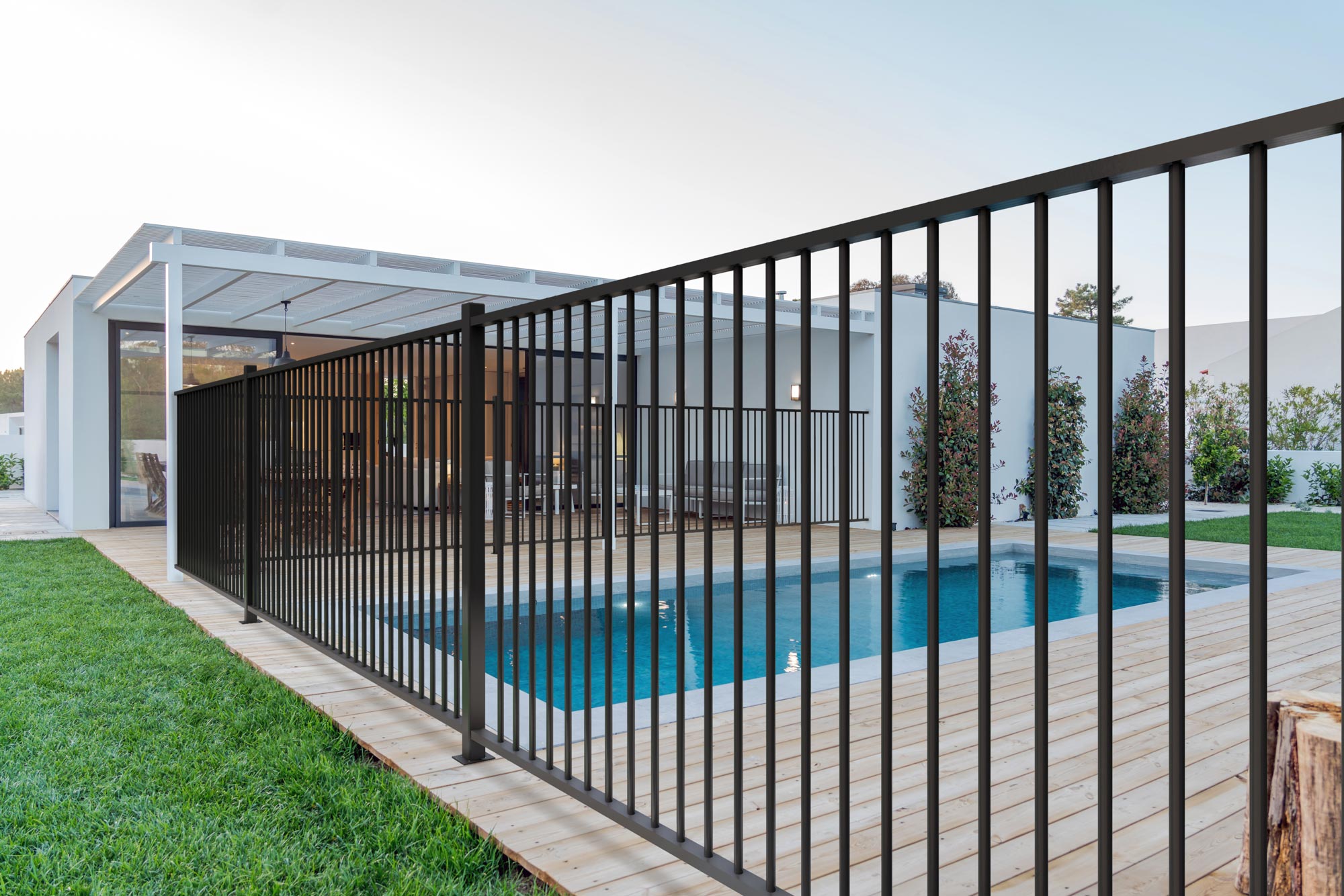
When picking out a new pool fence, the material you choose makes all the difference. You need a fence that will endure the elements, and most importantly, one that will keep your loved ones safe for years to come.
The most commonly used materials for pool fences are aluminium and steel. As most pool owners aren’t industry experts, choosing between the two might feel daunting – how do you know which material is right for you?
Here are the key things to consider when choosing between an aluminium and a steel pool fence.
Can it handle the elements?
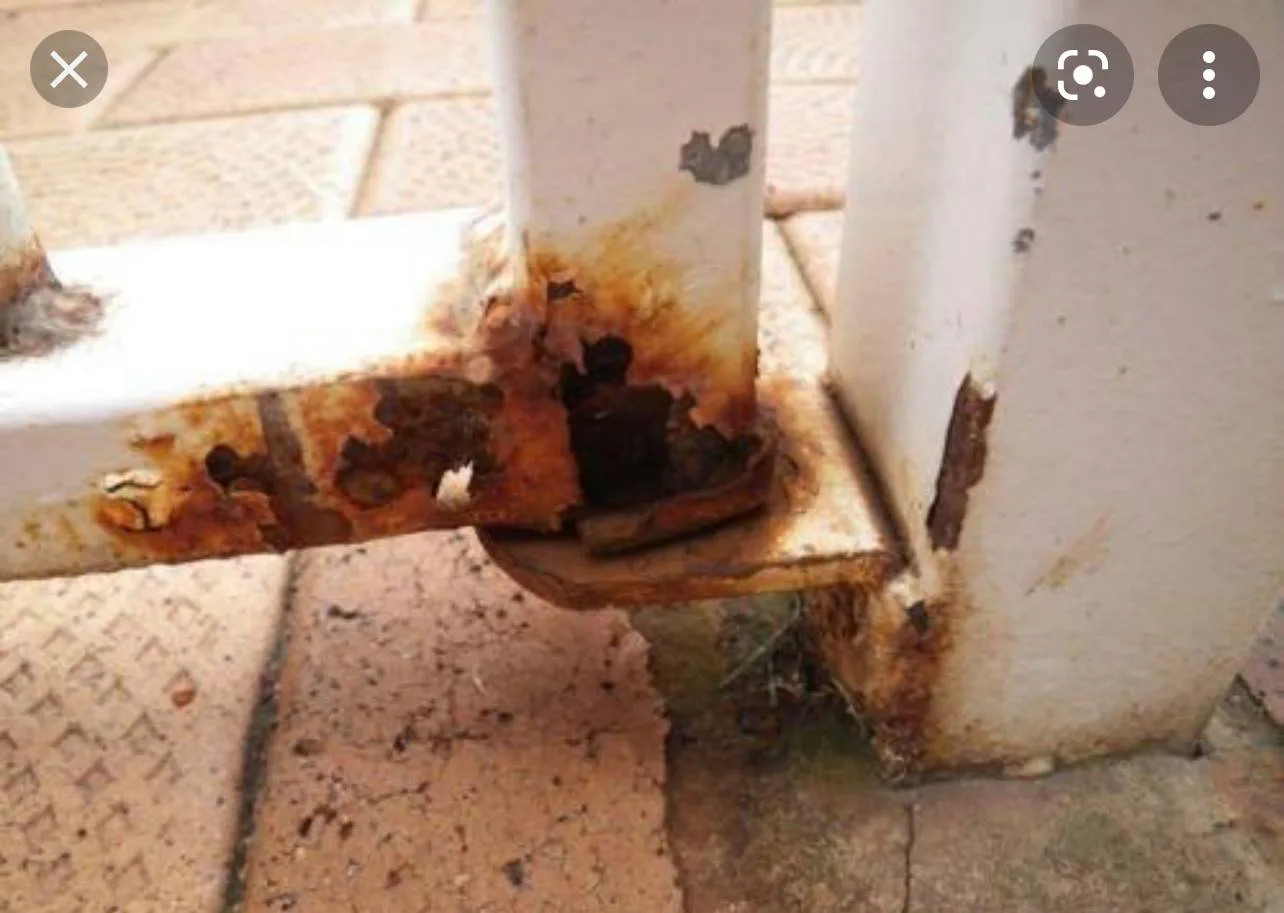
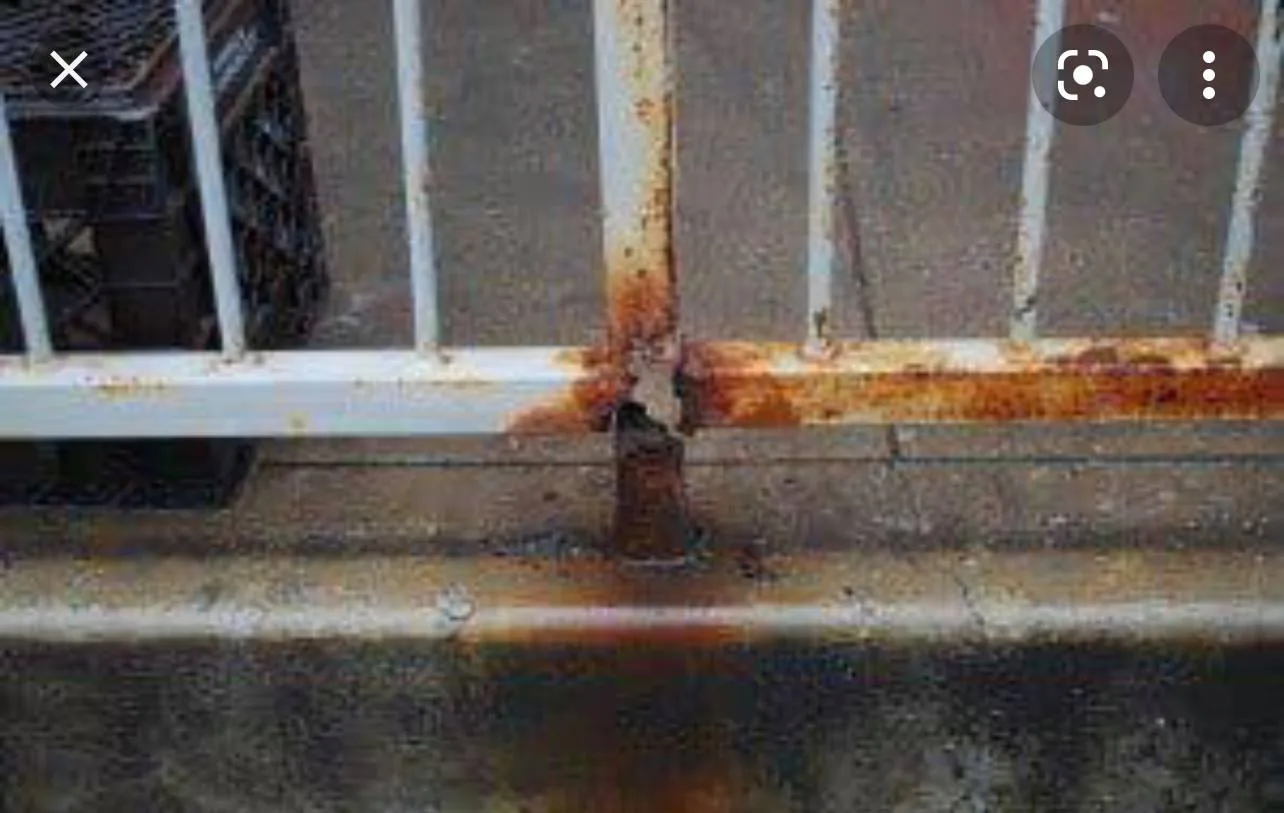
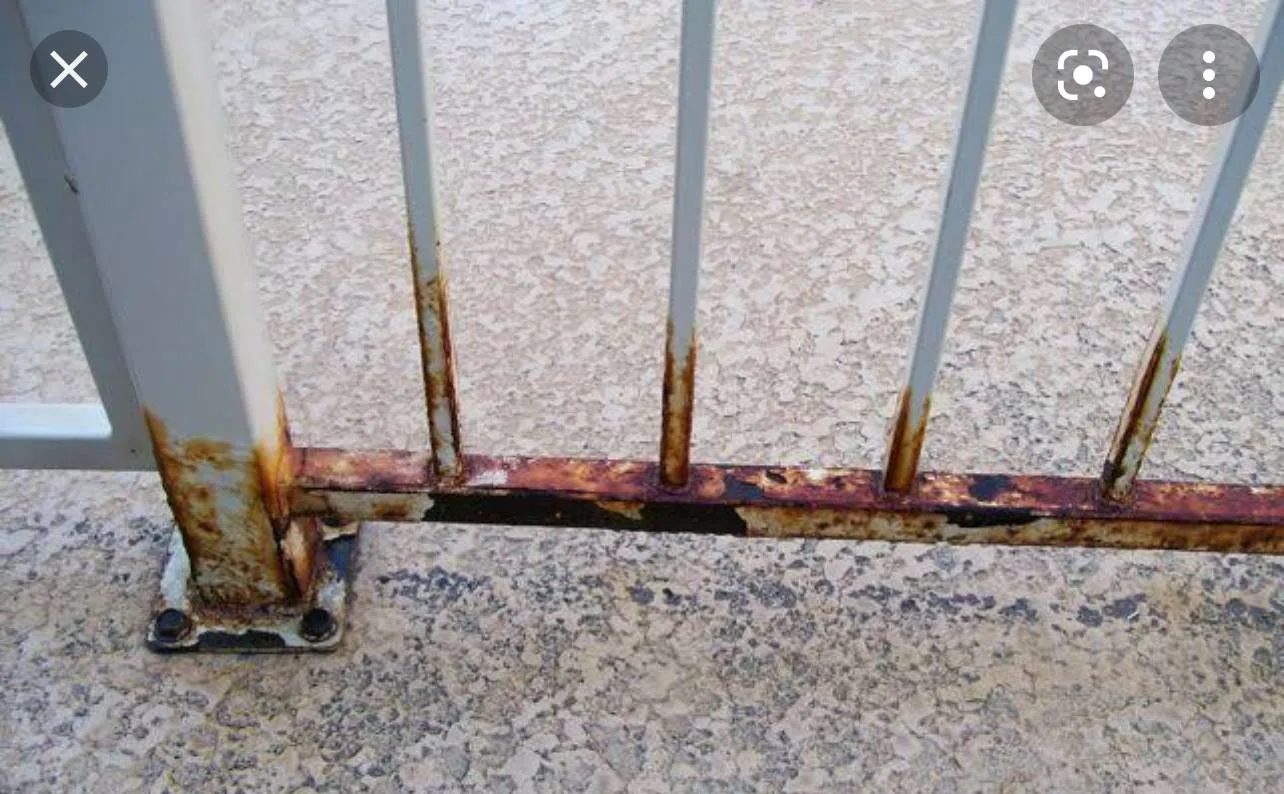
The majority of Australians live close to the sea where saltwater and coastal winds are a constant factor. Salt spray in particular is an aggressive corrodent for steel, which means steel is not a suitable material to be used around water. This makes steel pool fencing less than ideal for any coastal home.
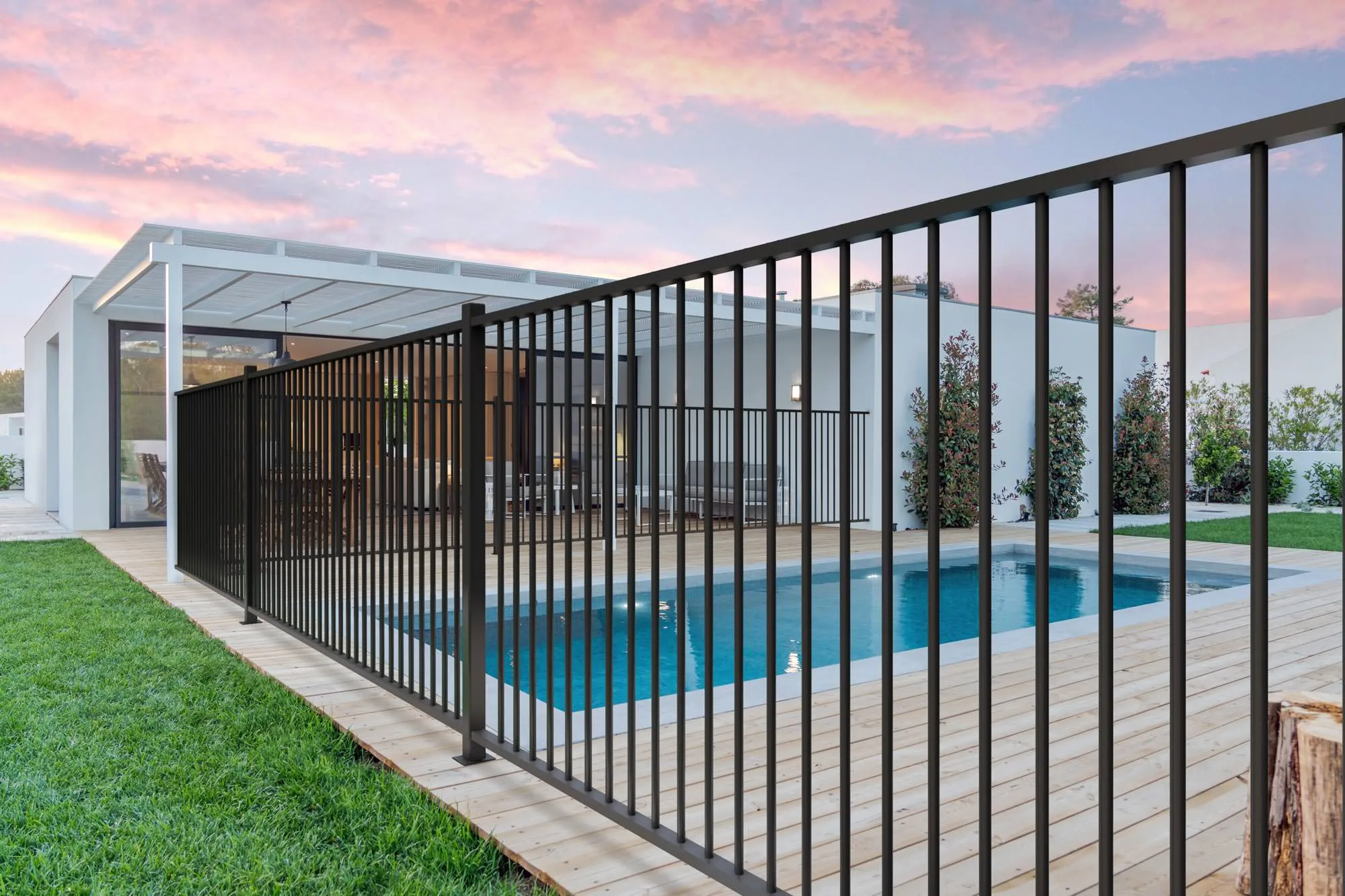
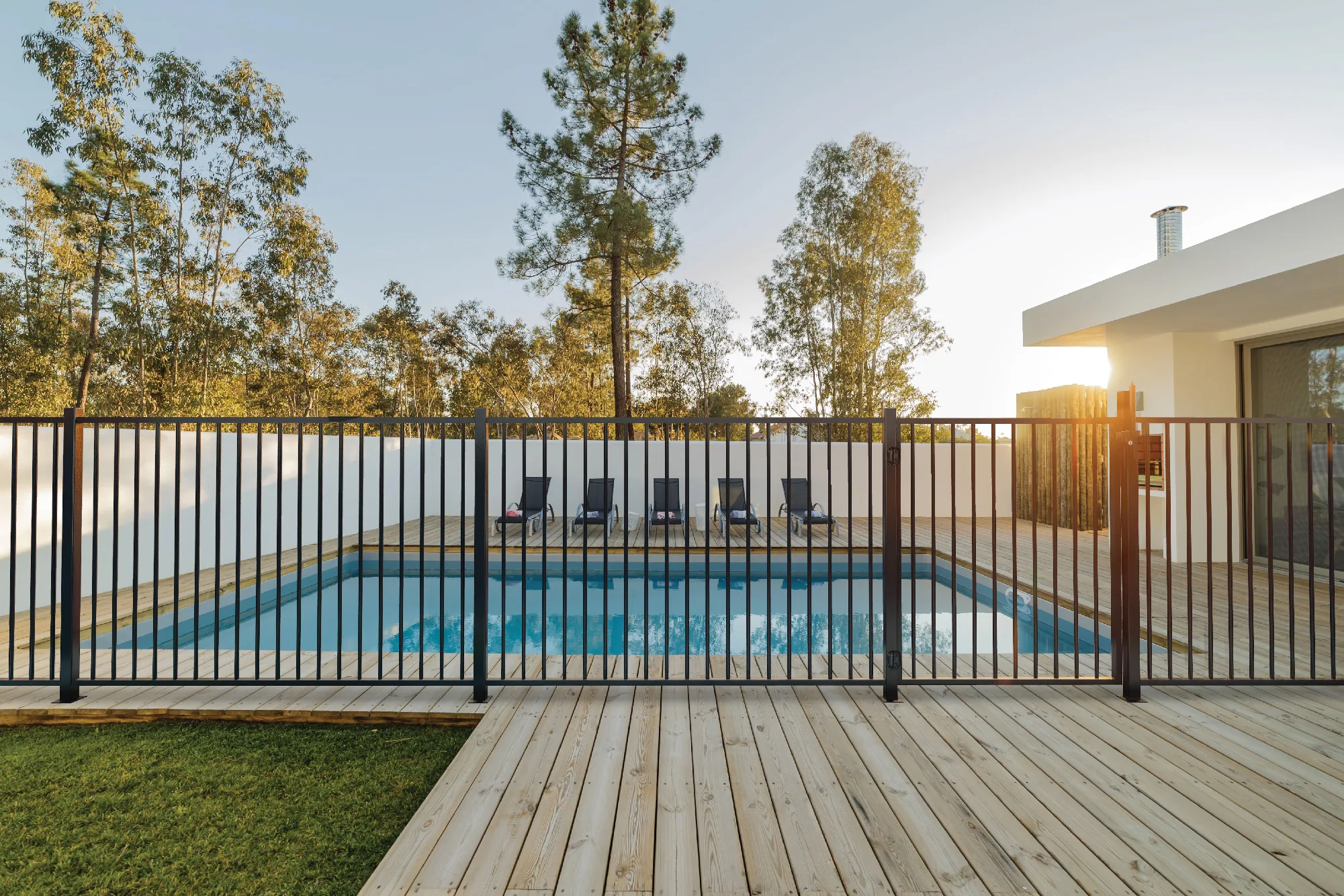
An aluminium pool fence, on the other hand, is durable and will not rust, regardless of the elements. This makes aluminium fencing the clear choice for coastal properties – which, let’s face it, covers most homes in Australia. Regardless of your proximity to the sea, an aluminium pool fence will not rust. On the contrary: an aluminium fence will look great for years to come.
Is it the safest choice?
A pool fence is put in place to keep children safe, so which safety aspects should you consider when choosing the fence’s material?
While steel fencing is sturdy, it’s also suspectable to rust which is a safety concern in and of itself. Steel can cut children’s feet, especially when rusty or peeling, not to mention the hazards caused by the steel pickets used under gates and fences.
Aluminium pool fencing creates a strong safety barrier around the pool while also posing a much lower risk for cuts and scrapes because it won’t rust or peel over time. As a testament to the material’s safety, the premium products made by ProtectorAl are the only pool fencing endorsed by Royal Lifesaving Australia.
Will it stand the test of time?
While steel and aluminium are both sturdy materials, only aluminium is resistant to the elements and won’t rust and peel as time passes. This means that an aluminium pool fence will require minimal upkeep throughout the years, making it a very low-maintenance and cost-effective option.
Of course, aluminium is more affordable than steel, to begin with – and increasingly so, considering the rising cost of steel. Besides being durable and offering better value for money, aluminium pool fencing is also the more sustainable choice. Aluminium is 100% recyclable, which means your pool fence will have a minimal ecological footprint. In fact, 75% of all aluminium ever produced is still in use today!
Aluminium vs Steel – The Takeaway
While steel and aluminium each have their benefits, using an aluminium pool fence is the better choice for most Australian properties as it won’t rust or peel. This also means that your pool fence will require minimal upkeep, ensuring your family’s safety for years to come with minimal impact to the environment.
As the largest producer of pool fencing products in Australia, ProtectorAl has been an industry leader for 26 years. Experience has shown us that aluminium pool fencing is a far more durable solution for the safety and protection of children – and that is why we use it.